Was Your Work Used to Train AI?
You can sometimes find the date a web crawler copied your page. It takes a different kind of evidence to show that a particular AI model learned from the copy.
A crawler is software that visits web addresses and saves what it finds. One well-known project, Common Crawl, makes collections of those visits available for research and other uses, including building AI training sets.
Start with the address you published
If you draw a weekly comic, pick the address of one strip. Search the Common Crawl index for that address in a named collection and look at the capture date and the response the site returned.
A copy of a web page might contain the comic’s caption and a link to the drawing. Think of a library catalog that tells you which shelf holds a book without giving you the book itself.
Common Crawl explains what its collections contain, but an archive entry is evidence only about that archive. A model builder may select particular years, remove duplicates or filter out pages, and another builder can use entirely different sources.
Inside the Common Crawl Web Archive
Look for a trail in the other direction
Start with the exact model and version, then look for its data release or training report. “We use publicly available information” won’t answer the same questions as a downloadable index of what went into a named training run.
The Allen Institute for AI publishes data and training materials for its OLMo family. A release like that gives a researcher something concrete to search and a way to explain which version they checked.
A copy of your comic on another site might have a different title. And if a chatbot cites your comic, it may have just found it in a web search.
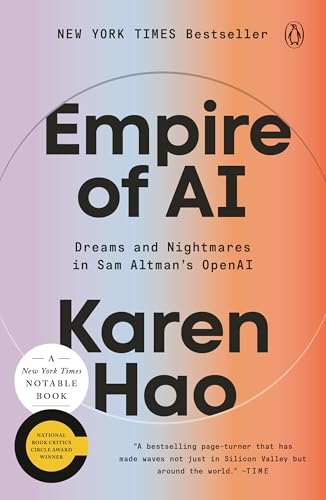
- See how OpenAI grew into one of the most powerful companies in tech.
- Understand the people and the fights behind ChatGPT.
- Form your own view of where AI is heading.
Asking a chatbot whether it remembers your drawing makes for a quick experiment and a poor audit. A model can invent a plausible account of where it learned something, much as it can invent the title of a book.
What a publisher can change today
If you control the website, a public file called robots.txt can tell participating crawlers which pages they may fetch. OpenAI’s crawler guide lists separate controls for its training crawler, GPTBot, and its search crawler, OAI-SearchBot.
A rule you add today concerns future visits by crawlers that honor it. It doesn’t recall a copy already distributed or establish what a model learned last year.
If someone else hosts your work, check that platform’s settings. Keep your original, its public address and any dated evidence you find alongside the model version you investigated.
That turns “the AI used my drawing” into a question someone can check.
Who Owns What You Make With AI?
What Do You Get When an AI Model Is Called Open?
AI Search Gives You an Answer. Where Did It Come From?
QUOTE:
"Amateurs hack systems, professionals hack people."