The People Behind the Chatbot
One chatbot reply is polite and wrong, while another is accurate but so abrupt that it sounds like a scolding. Somewhere in the making of the chatbot, a person may have to decide which reply is better.
Data workers write examples, label what appears in an image, compare answers or flag material a system should handle with care. Their names rarely appear when the finished assistant introduces itself.
The person who picks reply B
In the InstructGPT project, contractors wrote examples of good replies and ranked different model answers to the same prompt. Researchers used that feedback to train a system to favor responses people preferred.
Take a request to explain a late fee. One reply might quote the right rule, while a second does a better job of treating a worried customer with respect.
Who decides which one the model should learn from?
If nearly every example rewards confident wording, a model can learn that sounding certain pays off. The research team behind InstructGPT explicitly discussed whose preferences its system had learned.
Kenyan Data Workers Describe the Jobs Behind AI
When a task is rejected
Workers interviewed for an International Labour Organization study in Kenya described jobs being rejected and how hard it was to get a reason. Finishing the work and getting paid for it could be two different events.
In a Nairobi survey of 226 people, workers who labeled data or checked content reported money troubles and health concerns. The Data Labelers Association ran the survey, and the University of Illinois Chicago reported the findings.
Fasica Berhane Gebrekidan spent two years moderating material for Meta through a contractor in Nairobi. In her account for the Data Workers’ Inquiry, she describes the toll of watching disturbing material and how hard it was to get help after being laid off.
Gebrekidan was writing about social media. A person who rates a chatbot’s answers has a different job, but they too may have to see material the system is learning to spare someone else.
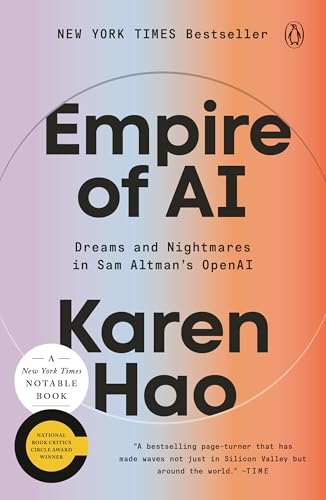
- See how OpenAI grew into one of the most powerful companies in tech.
- Understand the people and the fights behind ChatGPT.
- Form your own view of where AI is heading.
What the person on the other end actually did
A chatbot generates its replies using a model that people helped train. That’s different from someone typing an answer live.
Whether a person can read the chat later depends on the service’s rules.
When a company says its system learned from human feedback, ask whose feedback it means. Did those workers have a say in the rules they used to pick reply A over reply B?
How AI Works, Without the Math Lesson
Which Parts of Your Job Can AI Actually Do?
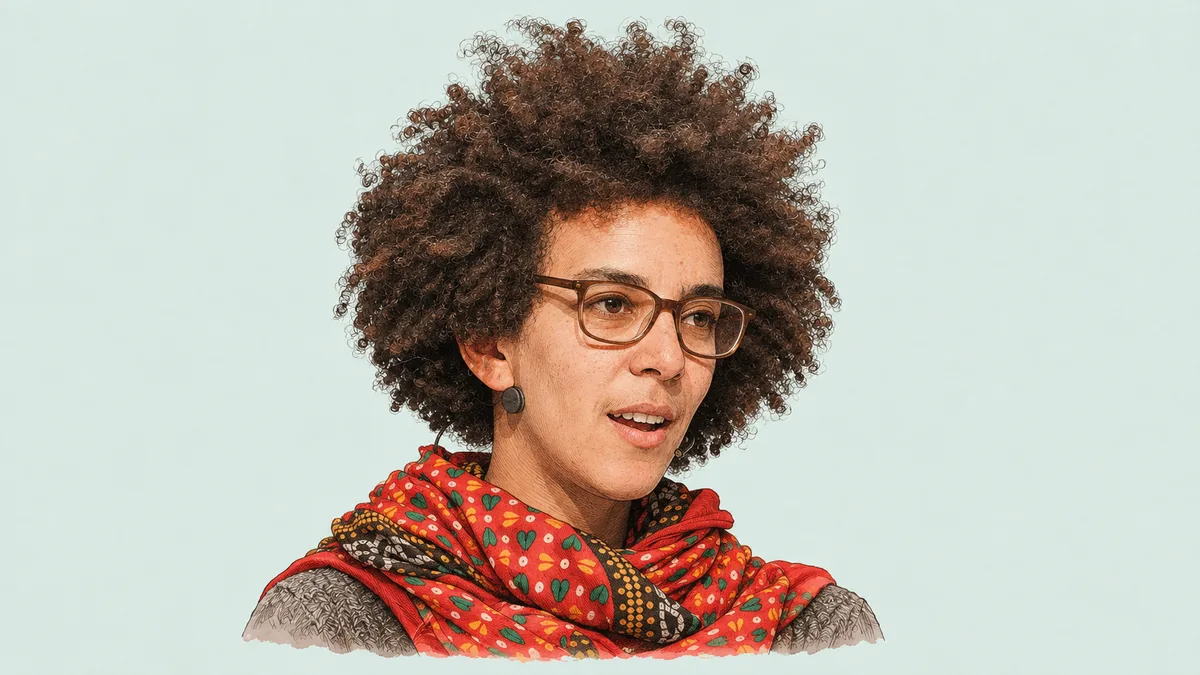
Timnit Gebru Asks Who AI Is Really Built For
QUOTE:
"Amateurs hack systems, professionals hack people."