Your Phone Is Rewriting Your Photos
In a group picture, your child has their eyes open and the dog is looking at the camera. Both things really happened, but on a phone that combines several shots, they might never have happened at the same time.
Phone cameras have been building a picture from more than one exposure for years. The interesting question is what the phone used from those exposures, and whether someone looking at the picture needs to know the difference.
More light from a real room
In a dim room, taking one long exposure gives the sensor time to collect light. It also gives a hand, a head or a whole birthday party time to move and leave a blur.
Google’s researchers describe a different approach in their account of Night Sight on Pixel phones. The camera records a burst of frames, aligns them and combines measurements to gather more light while managing noise and movement.
The result can show detail that was hard to see with your eyes. The system is still working from light the camera measured in the room, although movement and imperfect alignment can leave errors.
Borrowing a smile from a second later
Google’s Best Take lets someone choose expressions from similar group photos on supported devices. If Grandpa smiles in the first shot and the baby looks up in the second, the saved picture can put those expressions together.
How Best Take Combines a Group’s Expressions
For a family card that might be a welcome option. For a picture meant to show exactly who reacted when a speaker announced a result, the timing is part of the story.
Generative editing can go further. Ask it to put a sailboat on an empty lake and the finished picture may contain a boat the camera never saw.

- Back up a laptop in minutes, with read speeds up to 1,000MB/s.
- Toss it in a bag without worry: no moving parts and drop protection up to two meters.
- Carry a second copy of your files wherever you go.
What to save with a photograph that matters
For a repair claim, a news tip or a dispute over the condition of something you received, keep the camera originals and make edits on copies. Preserve the other frames, too, if the order of events matters.
Describe the edit in words someone else could act on. “I brightened the picture so you can see the crack” tells a very different story from “I removed the hand that covered the crack.”
Can You Really Tell Whether a Photo or Video Is AI-Generated?
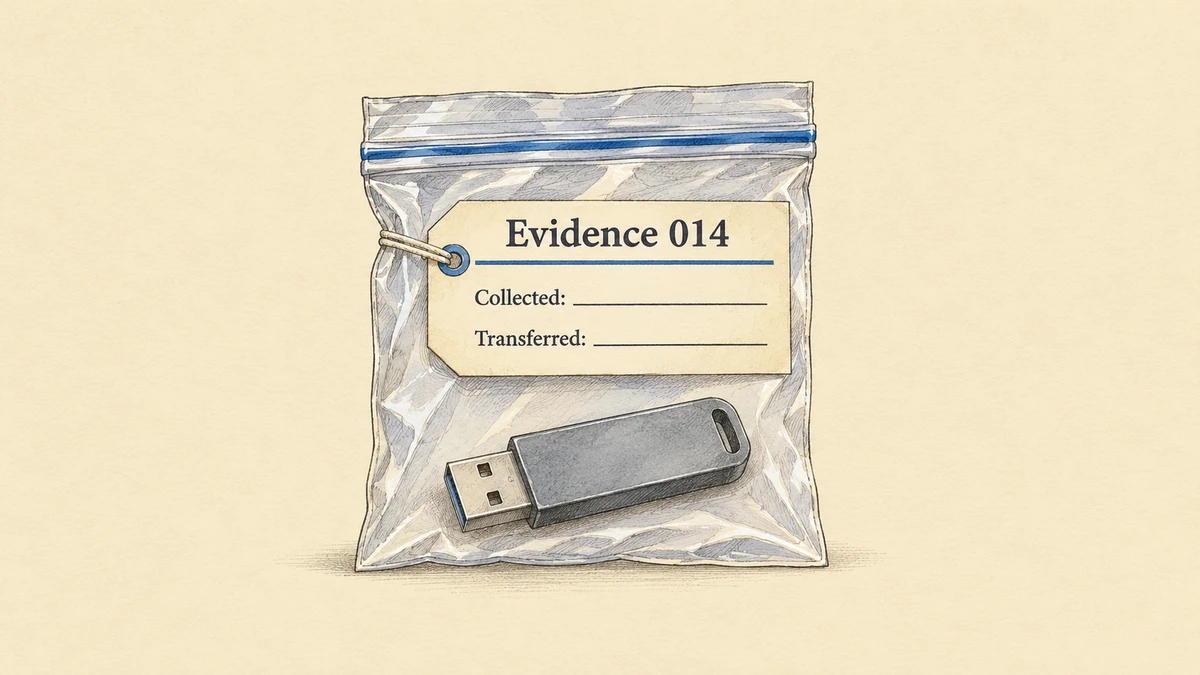
Chain of Custody: Can You Account for Every Copy of the Evidence?
Who Owns What You Make With AI?
QUOTE:
"Amateurs hack systems, professionals hack people."