Can an AI Detector Prove Who Wrote Something?
An AI writing detector estimates whether text resembles material produced by an AI system. It doesn't watch the author write, and its score alone can't prove who created a document or whether someone broke a rule.
That difference matters when an accusation could affect a grade, a job or a reputation. A colored highlight can look like evidence of an event the software never observed.
What the Detector Is Looking At
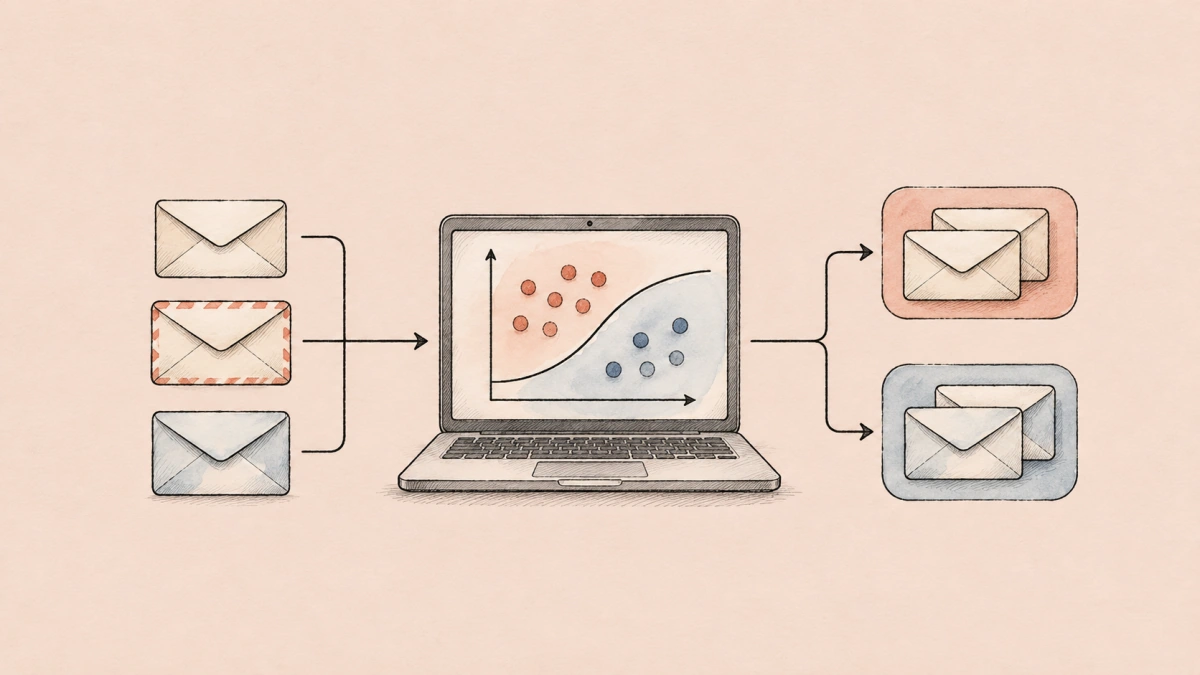
Detection tools examine patterns in text and compare them with what their systems have learned about human and generated writing. The result is a classification or score, not a recovered record of how each sentence came into being.
A false positive occurs when human writing is labeled as AI-generated. A false negative occurs when generated writing is missed.
Both errors are possible because the categories overlap. People can write predictable prose, and AI systems can produce varied prose that doesn't match the patterns a detector expects.
Editing complicates the task further. A document may contain original writing, ordinary spelling corrections, AI suggestions and substantial human revisions, while the school's or employer's rule distinguishes among those uses.
Read What the Number Means
A percentage doesn't have one universal meaning across detection products. It might refer to a portion of the text, a confidence measure or another calculation defined by the vendor.
Turnitin's AI Writing Report guide, for example, describes its percentage as the share of qualifying text identified as likely AI-generated or altered. That isn't the same as a percentage chance that a student cheated.
The company also says its detection model can make mistakes and shouldn't be the sole basis for adverse action against a student. That qualification matters as much as the prominent number in the report.
Before interpreting any result, ask which text was evaluated, which languages and formats the tool supports, and what the vendor says about false positives. A score without its definition isn't useful evidence.
A High Accuracy Claim Can Still Hide Many Wrong Accusations
Consider an invented example with 1,000 essays, of which 980 were written without AI. If a detector wrongly flags about 2% of those human essays, roughly 20 people receive false alarms.
Those are illustrative numbers, not the performance of a named product. They show why even a seemingly small error rate can matter when many innocent submissions are being checked.
The proportion of generated work in the group also affects how informative a flag is. A vendor's overall accuracy figure doesn't, by itself, tell you the chance that one flagged essay was generated.
Language Differences Can Affect the Result
In a 2023 study, researchers found that the detectors they tested frequently mislabeled writing by non-native English speakers. The finding raised a fairness problem: ordinary differences in language use could become grounds for suspicion.
That study doesn't establish the error rate of every current detector. It shows why a tool should be evaluated on writing like the work being judged, rather than assumed fair because it performed well on another sample.
More broadly, an AI system can perform differently across groups its designers didn't adequately represent. Joy Buolamwini's research and memoir offer another account of how such gaps become visible through careful testing.
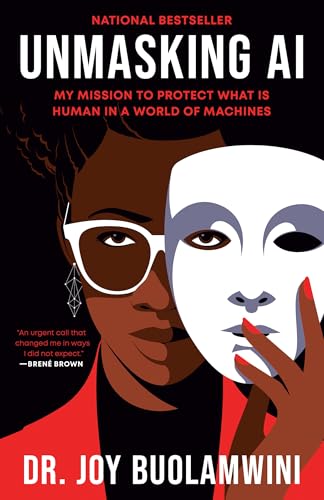
- Learn how one researcher showed that face recognition fails some people more than others.
- Understand algorithmic bias through a personal story, not a textbook.
- Come away knowing what questions to ask of any AI system.
The Writing Process Leaves Better Questions to Ask
If authorship matters, look beyond the final document. Notes, source records, drafts and revision history can help explain how a piece developed, though none should be treated as infallible proof on its own.
Ask the writer to explain a choice, discuss a source or describe how an argument changed. A fair conversation gives them room to show their understanding rather than demanding that they disprove a mysterious score.
Make the applicable rule clear, too. “No AI” may mean different things to people using spellcheck, translation, brainstorming tools or a chatbot that writes entire paragraphs.
The technology behind those tools helps explain why writing style isn't a dependable signature. Language models learn patterns across many kinds of text, rather than producing one fixed voice that a reader can always spot.
How Does a Chatbot Come Up With Its Words?
If Your Own Work Is Flagged
Ask for the report, the policy being applied and the process for reviewing the decision. Preserve your real notes and drafts, and explain your actual use of any permitted tools accurately.
Don't manufacture evidence or repeatedly run the document through “humanizer” services to chase a lower score. Changing the text to satisfy a detector doesn't establish how the original was written, and uploading it elsewhere creates another privacy decision.
An organization can investigate a concern without treating software as a witness. The fairer question is whether the available evidence supports a specific policy violation, not whether an unexplained number looks alarming.
Why AI Makes Things Up—and Sounds So Sure About It
Joy Buolamwini: The Face Her Software Couldn't See

Machine Learning and Evolution: When 98 Percent Is a Failure
QUOTE:
"Amateurs hack systems, professionals hack people."