Poisoning an AI Before Anyone Uses It
In a data poisoning attack, someone tampers with the examples an AI system learns from to change the way it behaves. The damage can begin long before anyone asks the finished model a question.
Picture a town using a model to route reports of broken streetlights. A whole block could wait weeks if its reports keep going to the wrong crew, whatever the cause.
A bad answer doesn’t tell you who caused it
Training data consists of examples from which a system learns patterns, with labels such as “lighting” or “pavement” showing how people classified earlier reports. The finished model may carry those patterns forward to reports it has never seen.
Maybe a street changed its name, the old records were incomplete or a clerk checked the wrong box. To call it poisoning, someone needs evidence of intent as well as a run of bad guesses.
The U.S. National Institute of Standards and Technology distinguishes attacks during training from attacks aimed at a system already in use. Its machine-learning security taxonomy gives investigators a common vocabulary for those differences.
Machine Learning in 100 Seconds
The wrong lesson or the wrong document?
If an assistant reads a newly arrived document containing an instruction it shouldn’t follow, the problem can arise during that conversation. That is one form of prompt injection, and it can affect an answer without changing the trained model.
A model can faithfully report a false entry in a searchable policy library even when its training and instructions are sound. In that case, correcting the source may settle the problem.
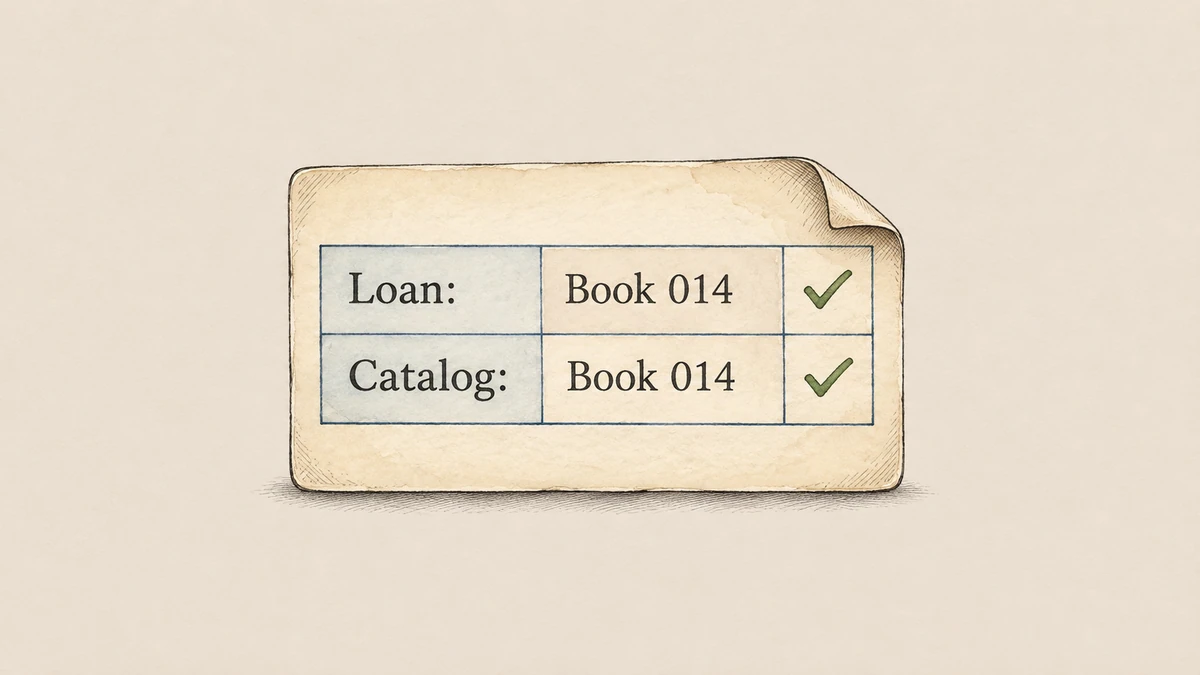
For the town, the first step is to trace one report. Did a database supply the category, did a model guess it or did someone change it in the queue?

- Learn to ask what could go wrong before a single line of code ships.
- Use a repeatable method instead of guessing where the risks are.
- Catch expensive security mistakes while they are still cheap to fix.
What to keep before there’s a dispute
Keep dated versions of the training material, records of who approved changes and a separate set of examples people have checked. Tie each release to the data used for it, a practice that fits the documentation goals of NIST’s AI Risk Management Framework.
When a pattern changes, compare results with the last trusted version and ask someone familiar with the work to review affected cases. Preserve the evidence while giving people another way to get their reports handled.
The town can send a repair crew now. Keeping the old records gives investigators time to work out who or what went wrong.
The Hidden Instructions That Can Hijack an AI Assistant
Data Integrity: How to Keep Records and Their Connections Reliable
What Happens When AI Trains on AI?
QUOTE:
"Amateurs hack systems, professionals hack people."