When AI Helps Someone Read, Hear or See
“Two sweaters on a chair” is an accurate image description and an unhelpful answer if you’re trying to dress for dinner. For a blind person using an AI description tool, the useful next question might be which sweater has the thin blue stripes.
An ordinary photo caption has to serve every reader at once. A person using a description tool can ask about the detail they need right now, like the pattern on the sleeve.
Ask for the part the first answer skipped
Be My Eyes offers an assistant that describes pictures and accepts follow-up questions. The service also connects users with human volunteers, so someone can switch when an image is hard to interpret or an answer seems off.
For the sweaters, it may help to take a closer picture of the cuffs or move the garments apart. The person using the tool gets to decide whether the answer is good enough for this job.
Using Be My AI to Ask About a Picture
A blurry digit on a medicine label is a different matter. A model can guess and sound sure, so confirm a dose with a pharmacist or another reliable source that can read the actual label.
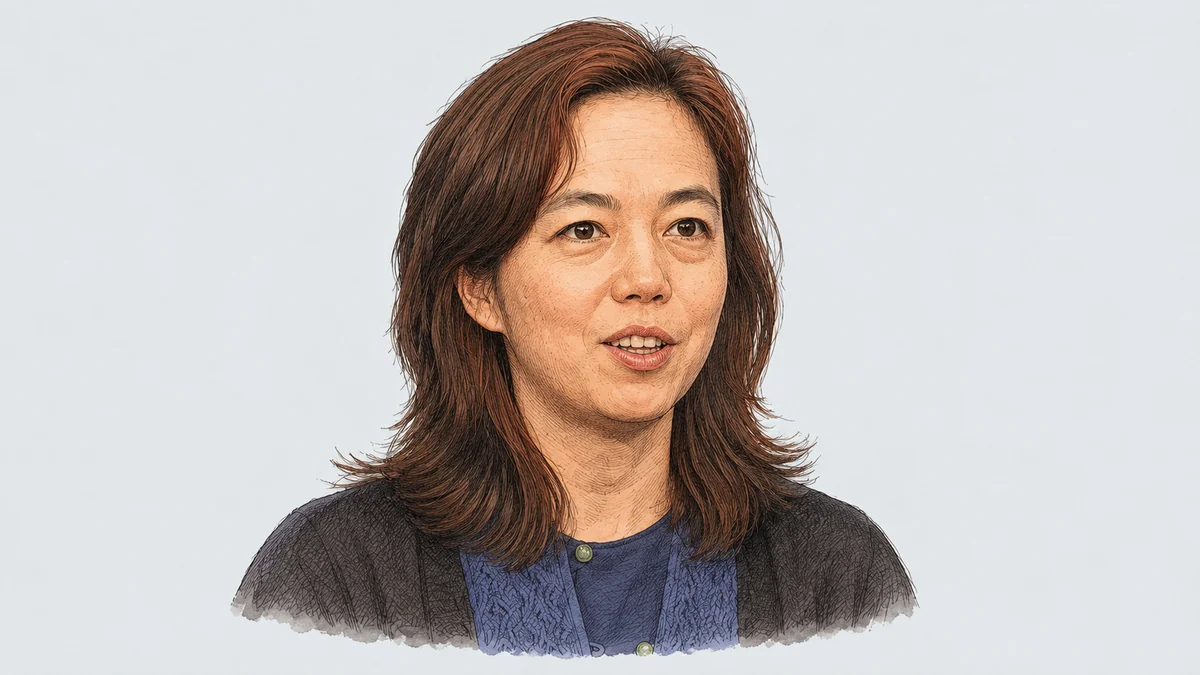
Computer vision is the field that teaches machines to draw information from pictures. Researcher Fei-Fei Li helped build some of the image collections those systems learned from, a history she recounts in The Worlds I See.

- Follow Fei-Fei Li's path through curiosity, exploration and discovery.
- Understand how today's AI boom began, from someone who was there.
- Read a human story about AI that never needs an equation.
Catching the question at the back of the room
Live captions use speech recognition to turn sound into text as people speak. Once the required language files are installed, Microsoft says Windows live captioning runs on the device and the audio and captions stay there.
Someone following a presentation can put the captions where they can read both the words and the slides. Two people speaking over each other, a surname or a unit such as milligrams can still trip up recognition.
A presenter can help by repeating a question before answering and sharing spellings or figures in writing. That’s useful whether a listener uses AI captions, a professional captioner or the slides alone.
Some fixes belong in the original
Publishing a chart? Describe what it shows and give readers the numbers.
A blind reader shouldn’t have to send a picture to another service just to get the same figures everyone else can see.
Before an event, ask participants which captions or interpreting they need. The person doing the reading or listening is in the best position to say what works.
AI Translation Can Sound Right and Get the Meaning Wrong
Can AI Really Read Your Entire PDF?
Fei-Fei Li: Why Millions of Labeled Pictures Changed AI
QUOTE:
"Amateurs hack systems, professionals hack people."