Demis Hassabis: A Game Designer's Route to a Nobel Prize
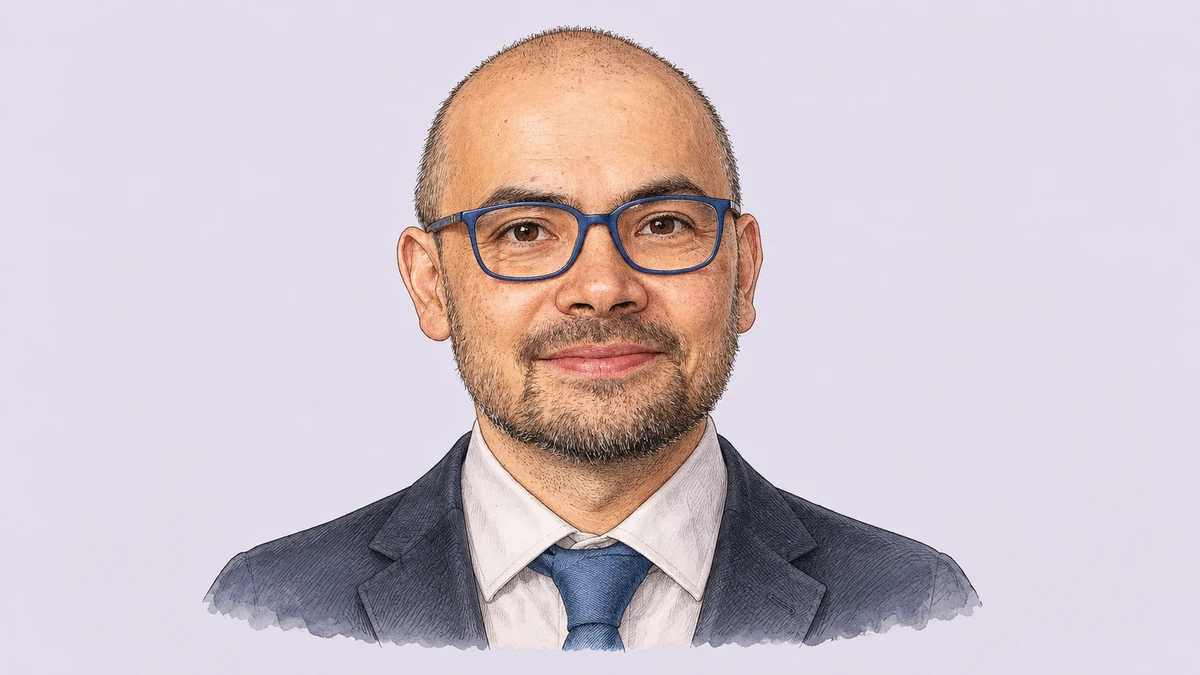
Demis Hassabis is a computer scientist and neuroscientist who co-founded DeepMind, an artificial intelligence research company. His work on predicting the three-dimensional shapes of proteins earned him a share of the 2024 Nobel Prize in Chemistry.
His route to that prize began in an unexpected place: video games. At 17, he helped create Theme Park. He later built a games company, then returned to university to investigate how people think. Those interests would come together in his work at DeepMind.
From Making Games to Studying Imagination
Hassabis was a talented chess player as a child and a teenage programmer at Bullfrog, where he helped create Theme Park. He went on to study computer science at Cambridge, completing his degree in 1997.
In 1998, he founded Elixir Studios, returning to commercial game development. Several years later, he made another change: a doctorate in cognitive neuroscience at University College London, working with researcher Eleanor Maguire.
As the Royal Society's account of his early career describes, Hassabis's research turned to memory and imagination. He wanted to understand how people imagine something they haven't experienced.
In a 2007 study, Hassabis, Dharshan Kumaran, Seralynne Vann and Maguire examined patients with damage to the hippocampus on both sides of the brain. This region is important for memory.
The researchers gave participants short verbal prompts and asked them to imagine new experiences. Compared with people without the damage, the patients produced fragmented scenes that lacked a coherent spatial setting.
The result suggested that the brain systems involved in remembering also help people construct possible experiences. Memory could contribute to imagining a situation, as well as recalling one that had already happened.
DeepMind Starts With Problems It Can Score
Hassabis founded DeepMind in 2010 with Shane Legg and Mustafa Suleyman. Suleyman helped establish the company and its collaborations, while the research group grew around their shared interest in learning systems.
Google acquired the company in January 2014. DeepMind brought together researchers working on systems that learned from experience, including games where a program could try an action and receive clear feedback about the result.
Games offered an advantage as research settings: the rules were defined and performance could be measured. A win, a loss or a score gave a team a way to judge whether a change had helped.
Go presented a particularly difficult challenge. Players place stones on a board and compete for territory, with each move opening a large number of possible continuations.
A program couldn't usefully explore every complete game before choosing its next move. It needed ways to narrow the search and judge positions without playing every possibility through to the end.
The AlphaGo team turned to neural networks: systems of connected calculations whose numerical settings change through learning from examples. In the team's 2016 paper, led by David Silver, one network suggested promising moves and another judged board positions. A search process explored the possibilities they identified.
AlphaGo learned from expert human play and from playing against itself, using that experience to improve its choices.
In March 2016, it defeated Lee Sedol four games to one in Seoul. An earlier version had already beaten European champion Fan Hui. The software was now winning against some of the strongest human players.
A Protein Has a Sequence and a Shape
DeepMind also took on a problem far from the game board. A protein is a chain of chemical building blocks called amino acids, and the chain's three-dimensional arrangement helps determine what the protein can do.
Knowing the sequence doesn't automatically tell a researcher its shape. Working out that shape experimentally can require substantial effort, so a reliable prediction can give scientists a useful starting point for investigation.
AlphaFold addressed that prediction problem. It learned from biological information and experimentally determined structures, drawing on evidence gathered by researchers well beyond DeepMind.
The crucial advance came with AlphaFold2. John Jumper helped lead its redesign alongside Hassabis, with researchers including Richard Evans, Kathryn Tunyasuvunakool and a large team contributing to the work.
In the 2020 CASP14 assessment, participating teams predicted protein structures that hadn't yet been made available to them. That setup tested whether their methods could handle unfamiliar cases, rather than simply reproduce answers already in view.
The team's 2021 paper reported that AlphaFold2 achieved accuracy competitive with experimental structures in a majority of cases. The system could give researchers a detailed prediction of how a protein's atoms were arranged.
DeepMind and the European Molecular Biology Laboratory's European Bioinformatics Institute, EMBL-EBI, then built an openly accessible structure database. Researchers could inspect predicted shapes without running the system themselves. Confidence measures showed which parts of each shape were more uncertain.
A Chemistry Prize for Computing Protein Shapes
In October 2024, the Nobel committee awarded half the chemistry prize jointly to Hassabis and Jumper for protein structure prediction. David Baker received the other half for computational protein design.
The distinction helps explain what each achievement involved. Predicting a structure asks what shape an existing sequence is likely to take; designing proteins involves creating new ones with desired properties.
The research had already continued beyond isolated proteins. AlphaFold 3, described in May 2024, expanded prediction to combinations involving proteins, DNA, RNA and small molecules.
This let researchers examine how different molecules might fit together. Molecules can change shape, though, and the predicted arrangements still need checking.
Taking the Work Toward Medicine
Hassabis's responsibilities changed in August 2026, when Google announced that he would hand over DeepMind's day-to-day operations. He became chair of Google DeepMind and chief scientist of Alphabet, with Koray Kavukcuoglu taking charge of DeepMind.
He also continues as founder and CEO of Isomorphic Labs, which aims to apply AI to scientific discovery and human health. It is another demanding test for the methods he helped develop.
A predicted shape can suggest which experiment to try next. Establishing that a treatment works and is safe still takes testing. Hassabis's next scientific challenge lies in getting those calculations to lead to useful medicines.
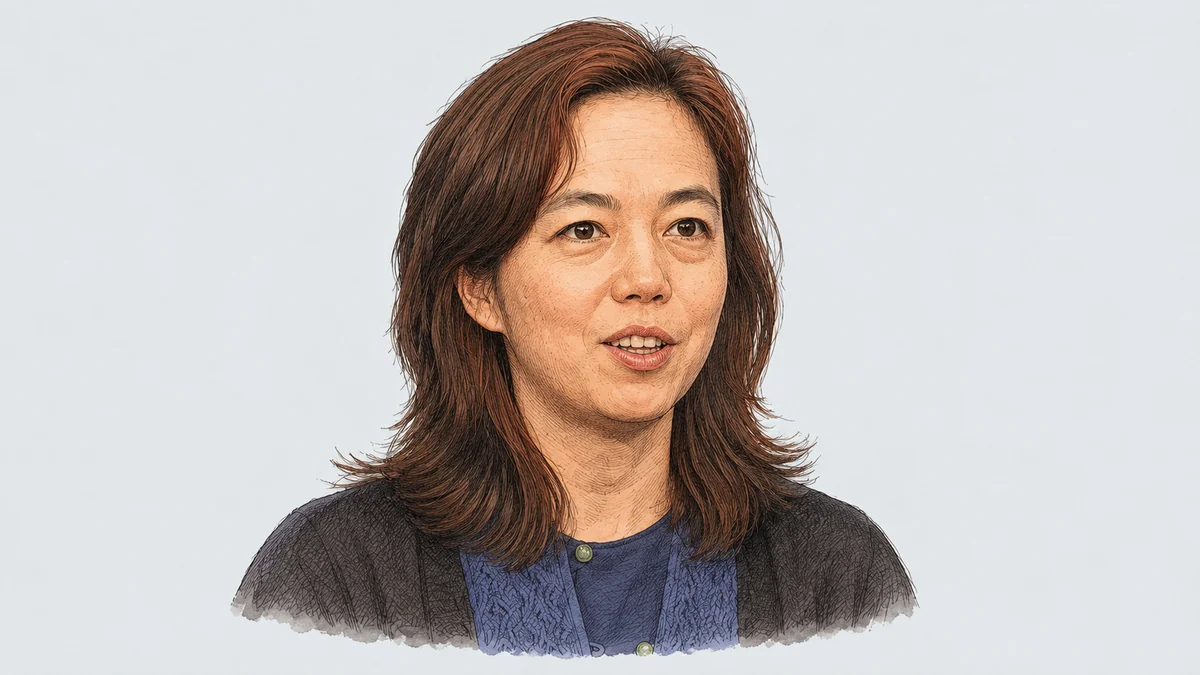
Fei-Fei Li: Why Millions of Labeled Pictures Changed AI
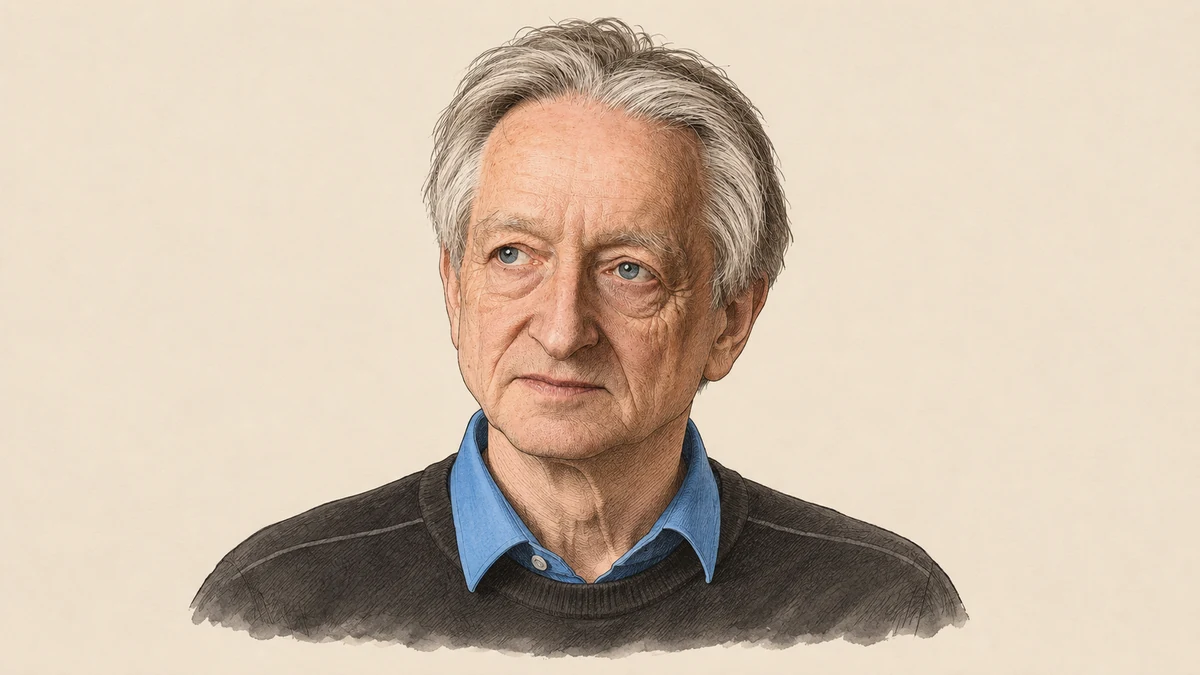
Geoffrey Hinton Helped Build Modern AI. Now He's Worried.
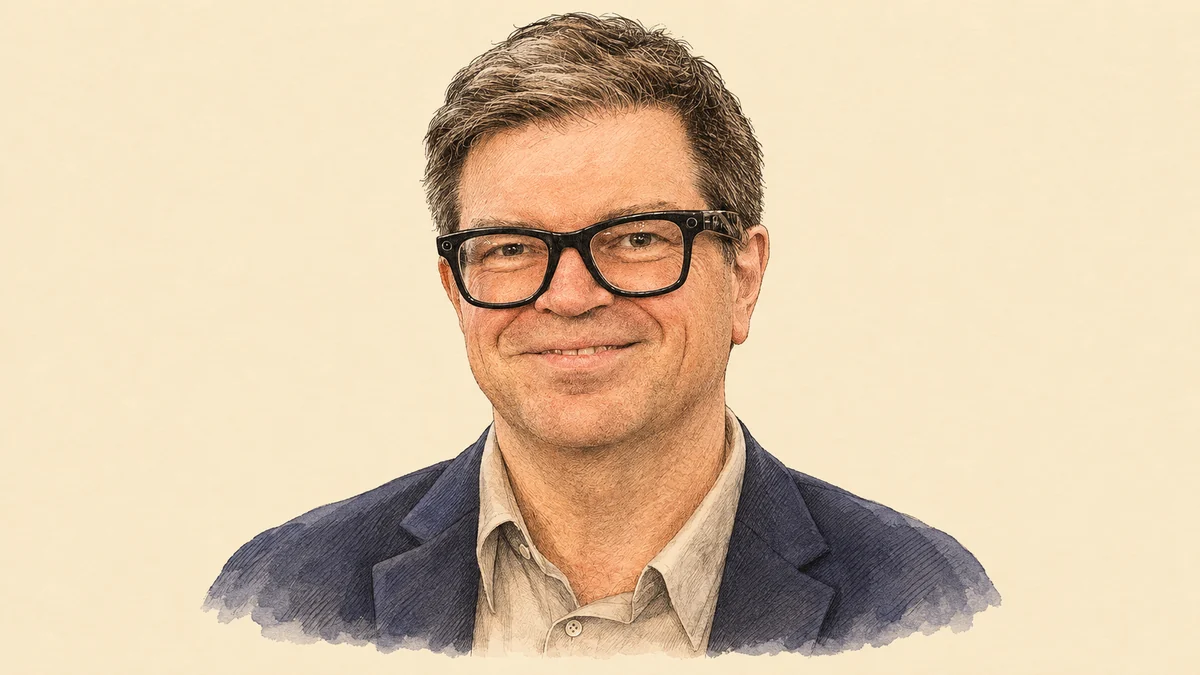
Yann LeCun: Teaching Computers to See, One Check at a Time
QUOTE:
"Amateurs hack systems, professionals hack people."