Trump’s Former Attorney, Michael Cohen, Used Google Bard in Attempt to Shorten Probation
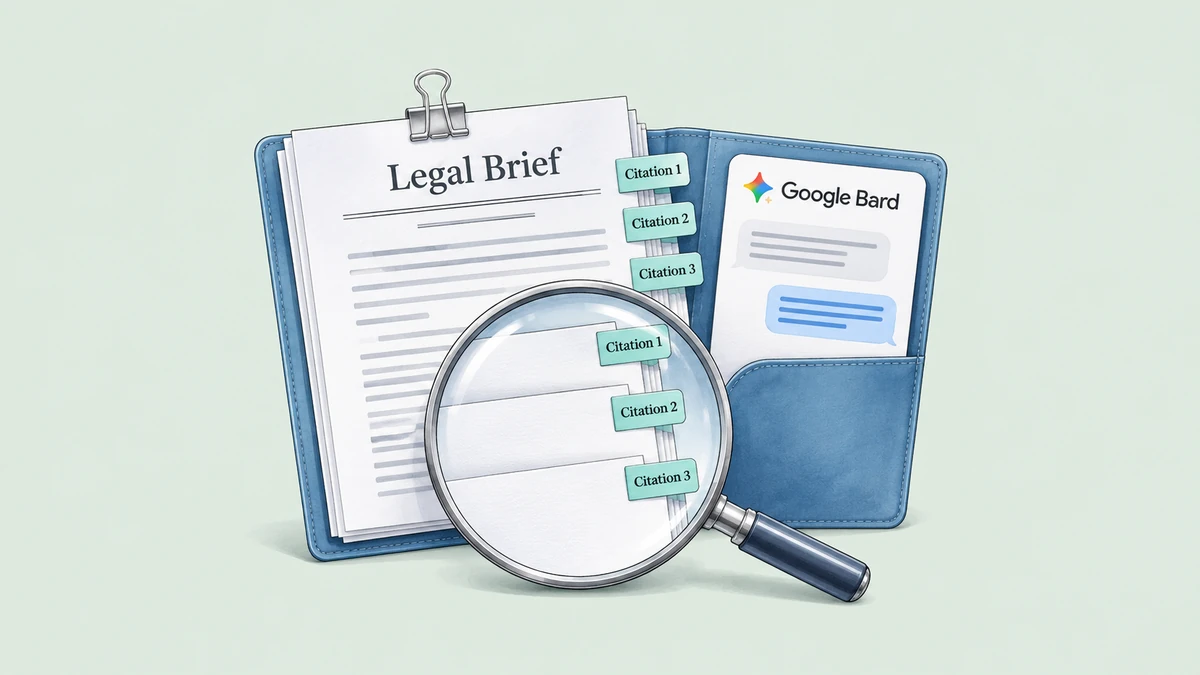
Michael Cohen, former personal attorney to Donald Trump, used the AI chatbot Google Bard to create fraudulent case citations. This maneuver was done in an attempt to end his probationary period related to tax evasion and campaign finance violations charges he pleaded guilty to in 2018.
How Does a Chatbot Come Up With Its Words?
The false references were included in a motion filed by one of Cohen’s lawyers, David Schwartz. In short, the authenticity of the submitted citations wasn’t verified before filing.
Cohen’s calculated gamble didn’t pay off; US District Judge Jesse Furman flagged this misuse of law citation while examining the motion.
When questioned, Cohen voiced his limited understanding of the functioning capabilities of AI software like Google Bard. Such claims often accompany instances where people are caught leveraging technology unethically or illegally — generally due to insufficient knowledge.

- Understand why teaching AI what we actually want is so hard.
- Meet the researchers working to make AI systems safe.
- Follow the argument through clear stories, with no technical background needed.
Interestingly enough, two more New York-based lawyers have reportedly faced penalties recently for similar fraudulent means—specifically indulging in generating briefs supported by fictitious case cites via ChatGPT, which is another sophisticated language generation tool based on artificial intelligence.
Such unscrupulous endeavors mar the burgeoning strides of AI in modern legal progress.
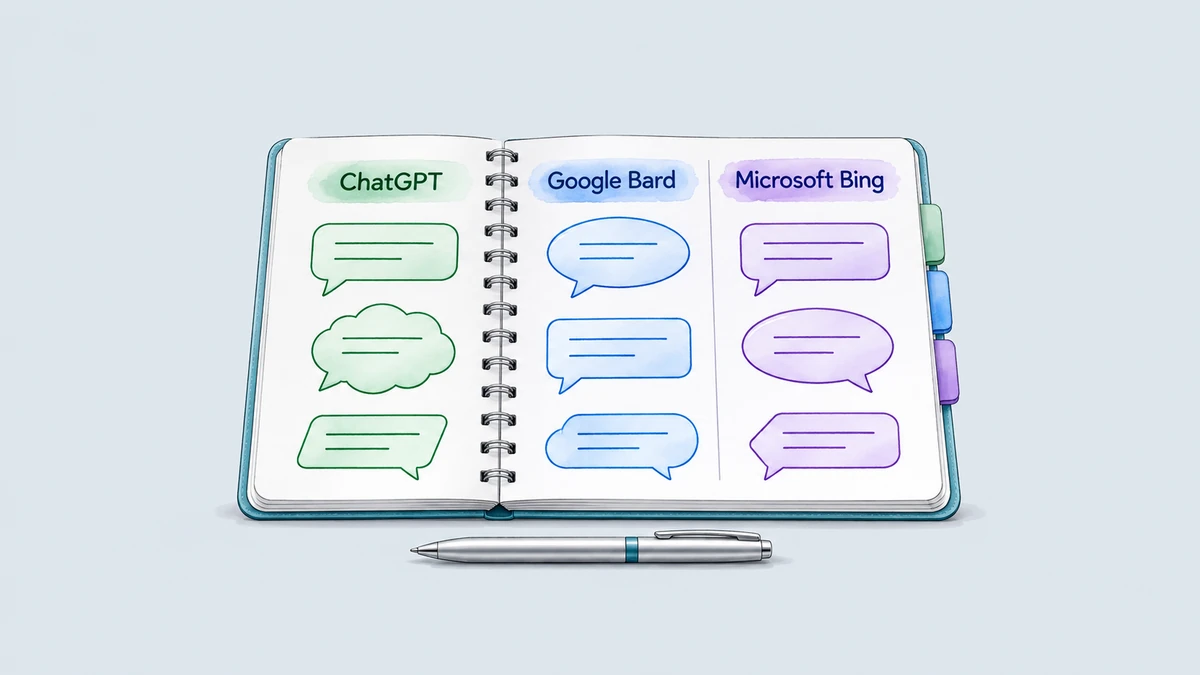
Guide to Chatbots: ChatGPT, Google Bard, and Microsoft Bing
Timnit Gebru Asks Who AI Is Really Built For

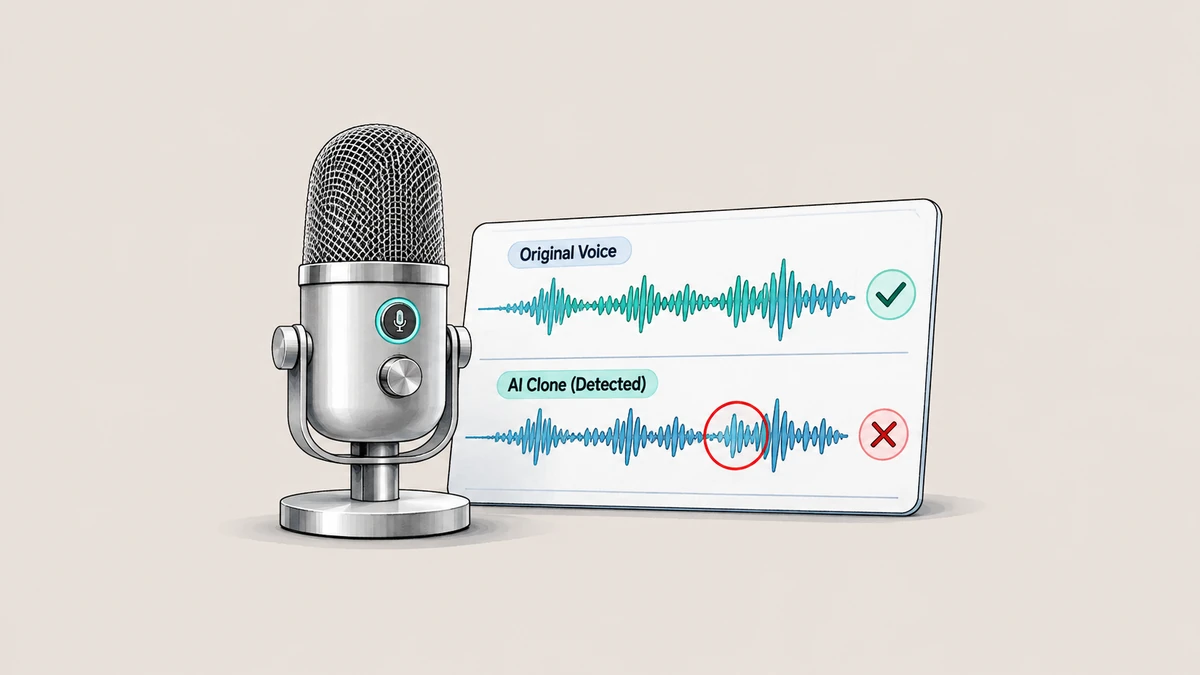
Fighting Fraudulent AI: FTC Announces $25,000 Prize for Voice Cloning Detection
QUOTE:
"Amateurs hack systems, professionals hack people."